
It was going to be no, and out came “sure”
The second they ask, there's a voice inside saying "not this time". What comes out is "sure, no problem".
Then for the next few days you do the thing you didn't want to do while explaining it to yourself: it's fine, really — just this once.
After long enough, even you aren't sure any more whether it genuinely is fine, or whether saying it's fine is simply what you do.
What may be going on
People who accommodate well usually aren't short of opinions — they learned to read a room very early. You feel the fine shifts in atmosphere and know exactly how refusing would change things, so the body answers a step ahead of you.
That's an ability. Used for long enough, though, the cost accumulates in you: tiredness, a closed-in feeling, and a grievance that's hard to name.
Putting a boundary back doesn't have to start with learning to refuse. It can start with allowing yourself to not want something — simply admitting that is already movement.
Essences that may fit
You don't need all of them. See which description comes closest to how you are now.
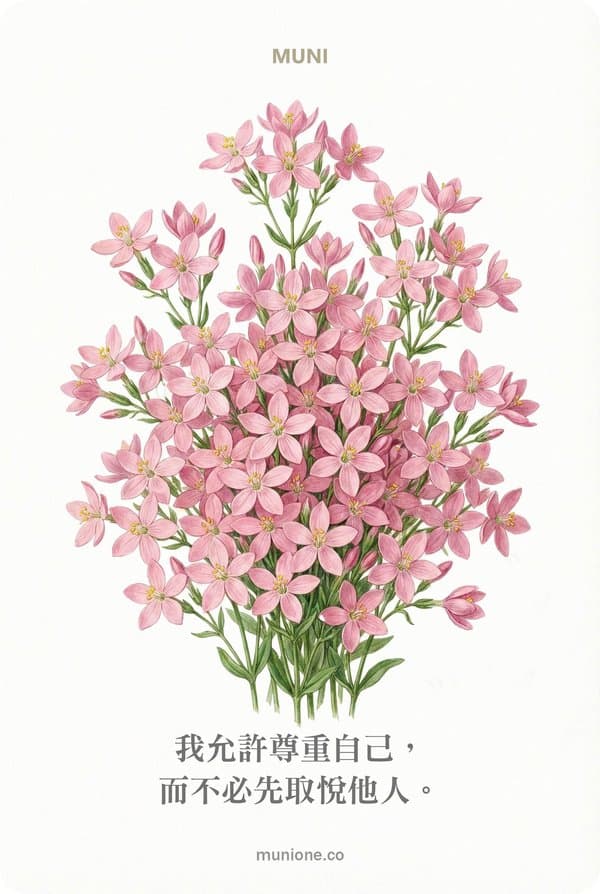
Centaury
Unable to say no, over-pleasing
Saying no is hard, and other people's needs pull you easily. It doesn't accompany you towards hardness — it makes "I'm allowed to want something too" slowly feel safe.
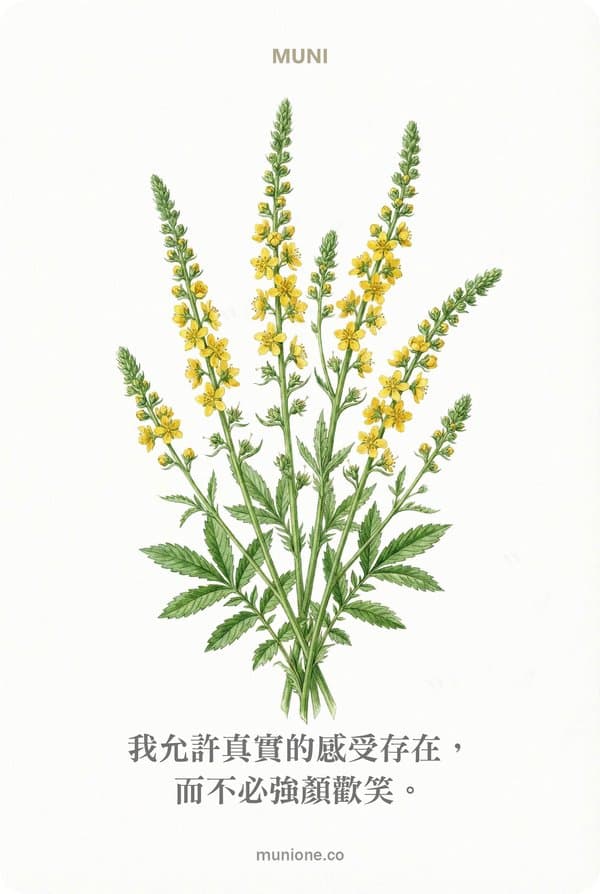
Agrimony
A cheerful mask over hidden pain
If you don't just agree but also smile and say you're fine, folding away what you actually feel, this one comes closer.
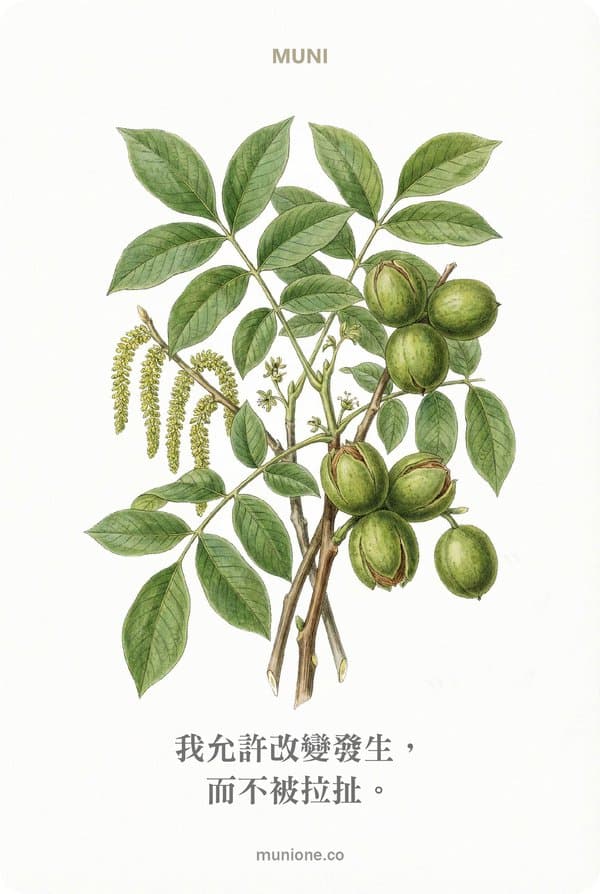
Walnut
Sensitivity in transition, easily swayed
If you're in a transition — a new job, a new relationship, a new role — other people's expectations sway you especially easily. This one pairs well.
One small thing you can do now
Next time, give yourself three seconds before you agree.
You don't have to change the answer. In those three seconds, just notice whether anything happens in your chest or throat.
You don't need to make a different choice right away. First let yourself know that a voice was there.
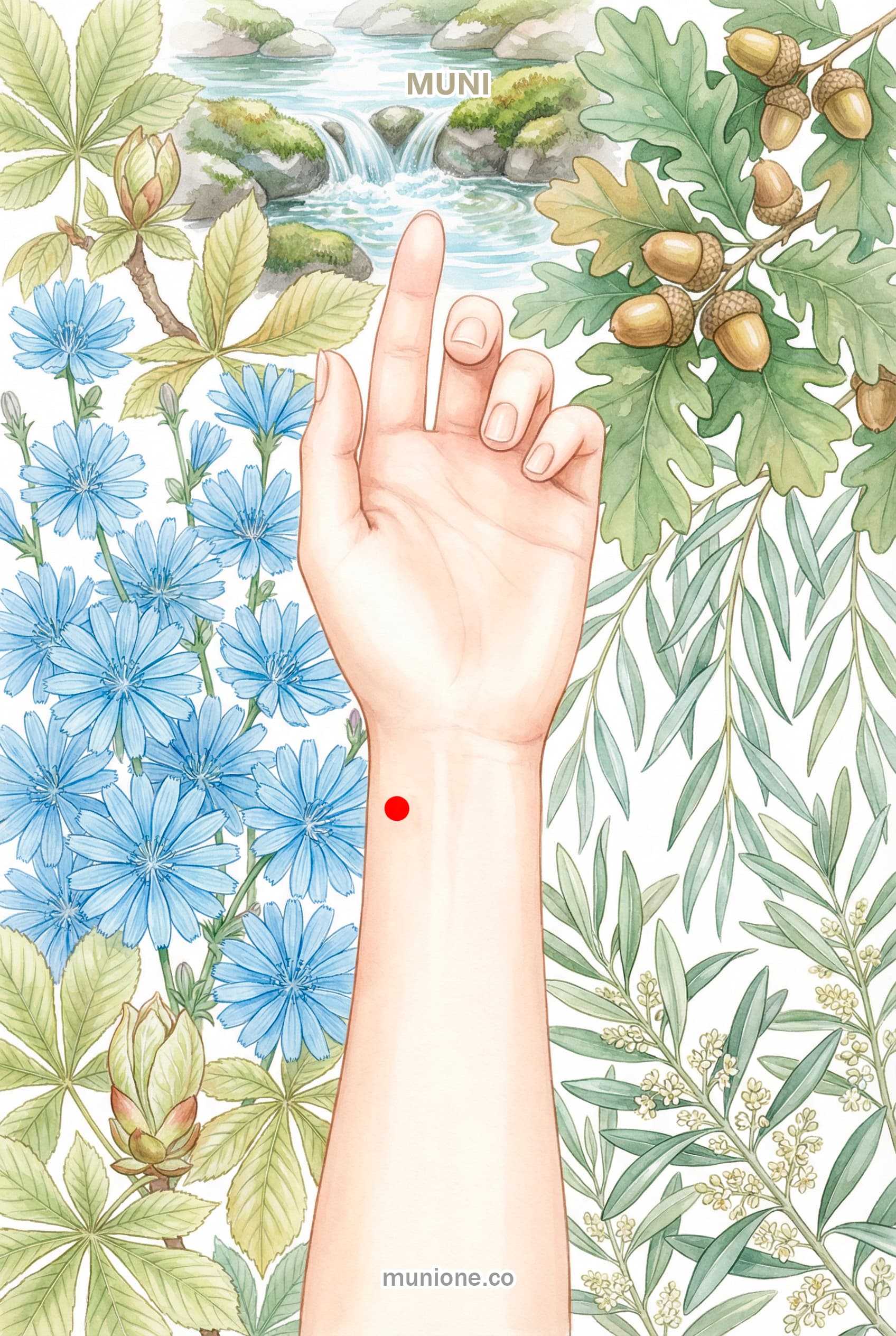
When you need a boundary and some space
Lieque LU-7 · Thumb side of the wrist